Showing posts with label Ministry of Environment Forestry and Tourism. Show all posts

04 November 2024

Etosha National Park: Condition of roads is being addressed as matter of urgency!

The Namibian Ministry of Environment, Forestry and Tourism has announced on 29 October 2024 that the condition of roads in the Etosha National Park is being addressed as matter of urgency. According to the Ministry, the deterioration of the road between Okaukuejo and Namutoni, for instance, is impacted by large traffic volumes. This leads to loss of gravel, severe corrugations, pottholes and drainage problems. As an immediate remedy, three graders have been deployed to blade the roads between Halali and Namutoni, Okaukuejo and Halali as well as between Namutoni and King Nehale Gate. The Ministry anticipates that this intervention will improve the road condition in the specified sections within a period of two weeks. Furthermore, the roads from Okaukuejo, Halali, Namutoni to King Nehale Gate will soon be upgraded from gravel to low-seal volume (tarred road).

While the road situation in Etosha National Park is being addressed, the Ministry encourages visitors to consider alternative routes from Okaukuejo to Halali via Gemsbokvlagte, Olifantsbad and Aus for a better travel experience.

Since 2018, the Ministry of Environment, Forestry and Tourism has succesfully rehabilitated the western section of the tourist road between Okaukuejo and Galton Gate, completing over 200 kilometers of road upgrade by March 2024.

02 April 2024

Namibia: New rhino poaching figures!

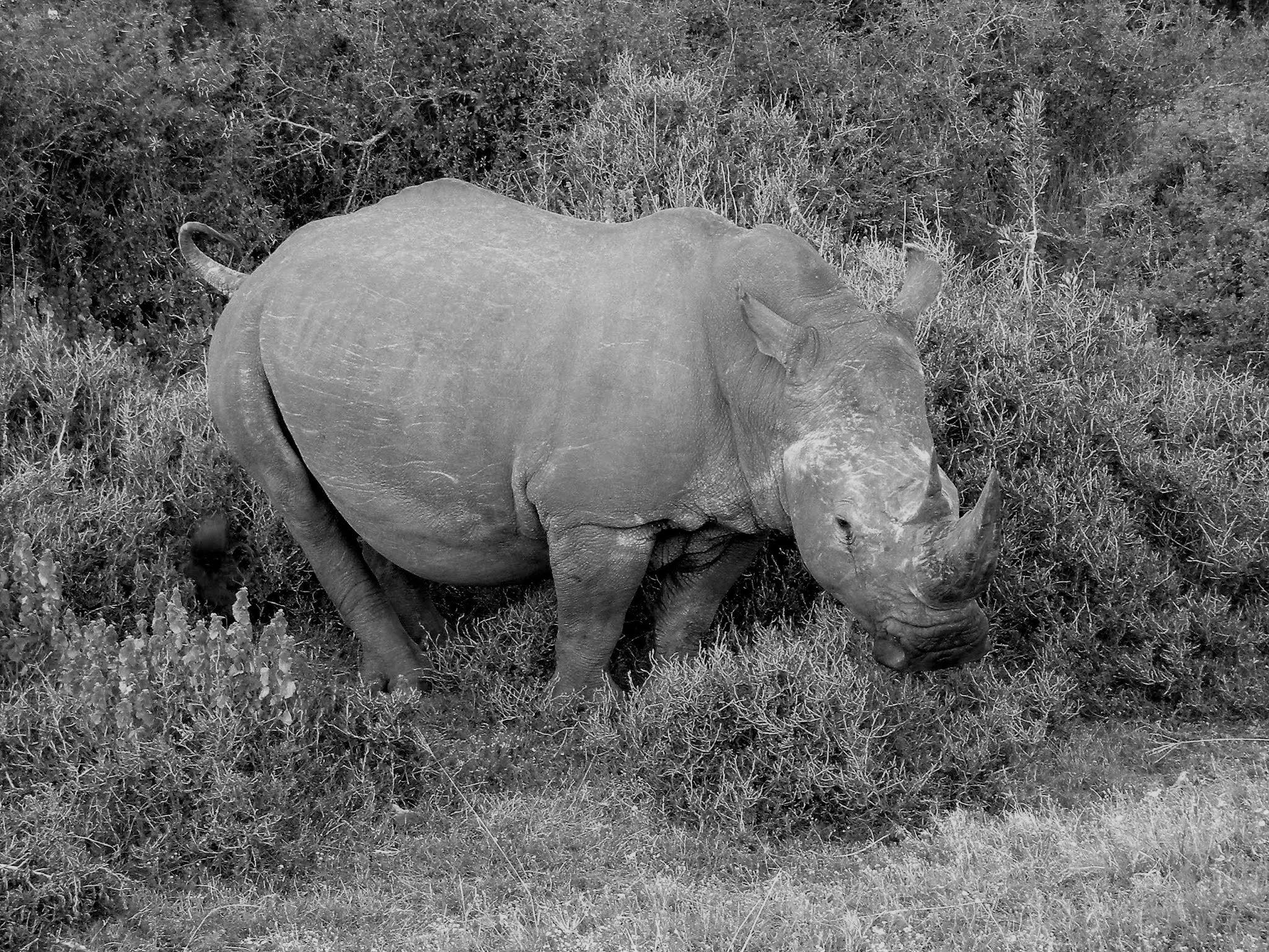
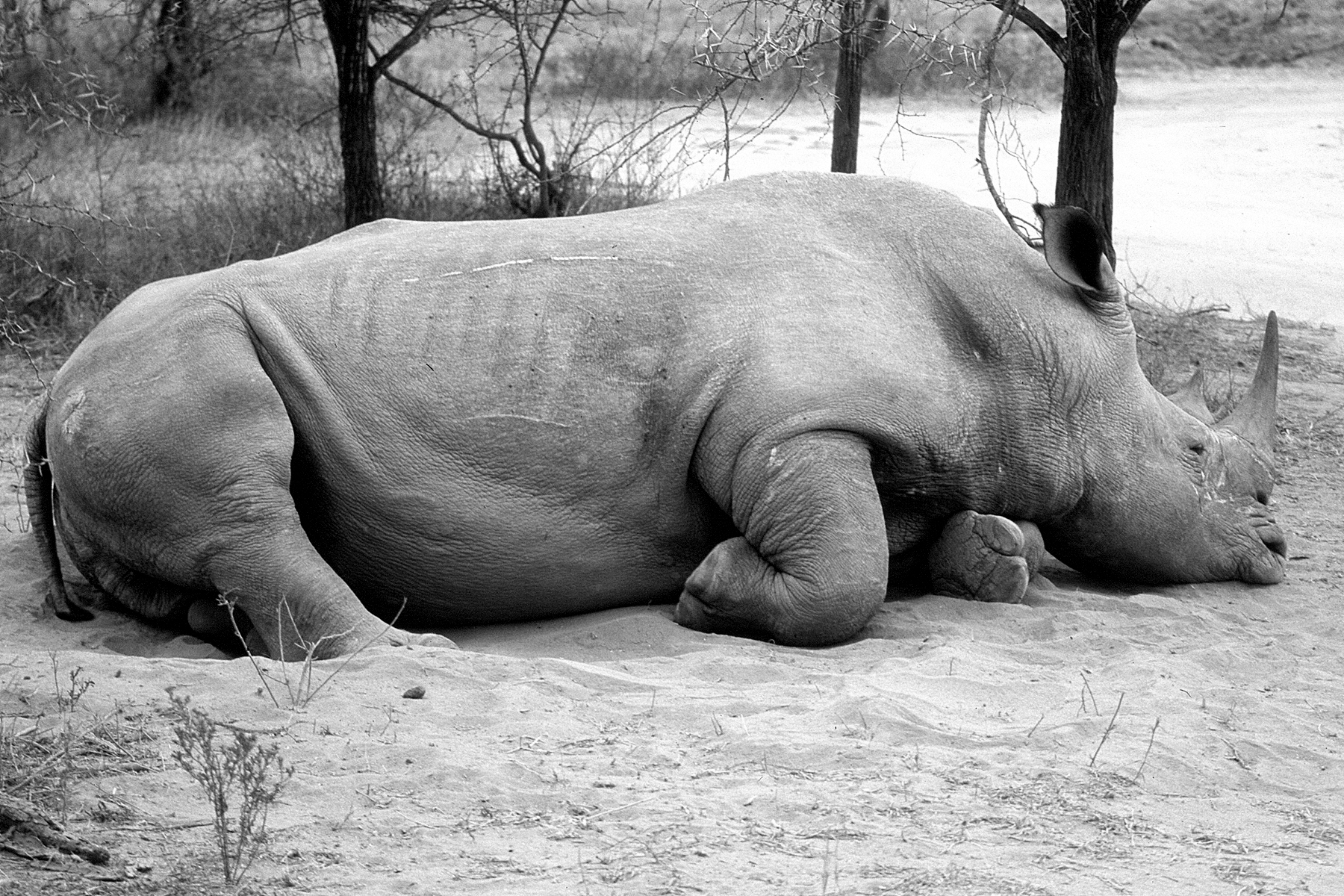
According to the Namibian Ministry of Environment, Forestry, and Tourism (MEFT), Namibia has lost 19 black rhinos and nine white rhinos to poaching the first three month of 2024. Out of these 28 rhinos, 19 were poached in the Etosha National Park, of which 10 were found during a campaign in March 2024 to dehorn rhinos to reduce the risk of them becoming poaching targets. Five rhinos were killed on private farms in Namibia, three rhinos were poached in rhino custodianship farms, and one in the Kunene region. 


Namibia is home to a third of the entire remaining population of back rhino on the planet and the second largest white rhino population in the world after South Africa. The country also has the largest population of free-roaming black rhinos as well as the largest population of black rhinos in protected areas.

05 March 2024

Namibia released rhino & elephant poaching statistics for 2023!

The Namibian Ministry of Environment, Forestry and Tourism (MEFT) has released the rhino and elephant poaching numbers for 2023. According to the figures, Namibia lost 67 rhinos and eight elephants in the last year, compared to 92 rhinos and four elephants that lost their lives to poaching activities during 2022. Over the past 10 years, Namibia has documented a total of 631 poaching incidents, with the highest numbers reported in 2022. In 2023, Namibia registered 50 cases related to rhino and elephant poaching, leading to the arrest of 139 suspects.

Namibia is home to a third of the entire remaining population of back rhino on the planet and the second largest white rhino population in the world after South Africa. The country also has the largest population of free-roaming black rhinos as well as the largest population of black rhinos in protected areas. 

21 August 2023

Namibia to upgrade gravel roads in Etosha National Park! [update #2]

update (06 August 2024): The Namibian Broadcasting Corporation (NBC) reports, that the Ministry of Environment, Forestry, and Tourism is satisfied with road upgrades in Etosha National Park ahead of the peak tourism season. The ministry's Executive Director, Teofilus Nghitila, assessed the progress of the road upgrade.

update (30 September 2023): According to the Namibian Road Fund Administration (RFA), it has been mandated in 2020 by a special cabinet resolution to financially support the Ministry of Environment, Forestry and Tourism in regravelling roads in hotspot tourist areas in Etosha National Park covering 270 kilometres valued at over N$200 million, with RFA contributing 79%. The solution for RFA to support the upgrading of the road section from Okakuekujo, Halali, Namutoni and King Nehale gate to low-volume seal roads valued at N$700 million was further re-confirmed in 2022. The construction is expected to commence in 2024.

The Executive Director of the Namibian Ministry of Environment, Forestry and Tourism (MEFT), Teofilus Nghitila, announced at the launch of the annual tourism statistical report for 2022 that the Government of Namibia took a decision to tar some gravel roads at hotspot tourist attractions in Etosha National Park covering 229 km. According to Mr. Nghitila, the road construction project includes a low-volume seal road with financial assistance of N$160 249 317 funded by the Road Fund Administration.

"We are already working on a big project to upgrade especially the road between Okaukuejo and the King Nehale gate to an asphalt standard. This means we have to get it tarred and from there we will see to it that other major roads in Etosha are all upgraded", said the Executive Director of the Namibian Ministry of Environment, Forestry and Tourism (MEFT), Teofilus Nghitila.
The state of the gravel roads in Etosha National Park has consistently been criticized by Namibia's key tourism players as rapidly deteriorating. 

Namibia received an increase of 461 027 tourist arrivals in 2022, compared to 232 756 tourists received in 2021. The increase of 98.1 per cent indicates a 28.9 per cent recovery level towards the 2019 arrival statistics. South Africa, Angola, Germany, Zambia, Botswana, France, UK, United States, Italy and Switzerland makes up the top ten tourist source markets for Namibia  in 2022. The majority of visitors, representing 53.1% of the total tourist arrivals came to Namibia  between September to December of 2022, 36.1% of the tourist travelled between May to August and 10.8% travelled between the months of January to April.

26 April 2023

Namibia: Water levels in the Fish River Canyon lower than expected!

The Namibian Ministry of Environment, Forestry and Tourism (MEFT) has recenetly conducted an assessment of the Fish River Canyon. According to the findings of the assessment, the water levels in the canyon are currently lower than expected due to the low rainfall season in the south of Namibia. In light of this, Namibia Wildlife Resorts (NWR), the state-owned enterprise mandated to run the tourism facilities within the protected areas of Namibia, has annouced that water marshalls will be deployed in the Fish River Canyon to assist hikers during the hiking season (01 May 2023 - 15 September 2023?). The water marshalls will make sure that hikers have access to safe drinking water and will monitor water usage in the canyon.
NWR is further advising hikers to carry water purifying tablets during their hike to ensure that they have access to clean water all the times.

The Fish River Canyon forms part of the |Ai-|Ais/Richtersveld Transfrontier Park, a peace park straddling the border between South Africa and Namibia. It is the largest canyon in Africa and the second largest canyon in the world after the Grand Cayon in the Fish River Canyon hiking trail is a 4-5 day guided or unguided hike with a total length of 86 km

28 November 2022

Namibia: New rhino poaching figures!

According to the spokesperson of the Namibian Ministry of Environment, Forestry and Tourism (MEFT), Romeo Muyunda, Namibia has lost at least 63 rhinos to poaching, of which 41 are black rhinos and 22 are white rhinos, since the beginning of 2022. This year’s poaching cases include 26 rhinos poached in the Etosha National Park, 22 rhino on private farms and 15 rhinos on custodianship farms. Namibia recorded 44 (43?) rhinos poached in 2021, 42 in 2020, 57 in 2019, 83 in 2018, and 55 in 2017.

 
Romeo Muyunda further revealed that 106 suspects have been arrested since January 2022 in Namibia, of which 44 are linked to crimes related to rhino poaching and 62 to crimes related to elephant poaching. Out of 106 suspects, 93 are Namibians, eight are from Angola and five from Zambia.

Namibia is home to a third of the entire remaining population of back rhino on the planet and the second largest white rhino population in the world after South Africa. The country also has the largest population of free-roaming black rhinos as well as the largest population of black rhinos in protected areas.

06 October 2022

Namibia: New rhino and elephant poaching figures!

Namibia has recorded 55 cases of rhino poaching since the beginning of this year. According to the Namibian Minister of Environment, Forestry and Tourism, Pohamba Shifeta, this is compared to a total of 44 (43?) rhinos poached in 2021. However, 36 people have been arrested in Namibia for rhino-related cases this year, compared to 80 in 2021. Minister Shifeta further said that two elephants have been poached in Namibia so far this year compared to a total of eight in 2021. 58 people have been arrested for elephant-related cases so far in 2022, compared to 98 people arrested in 2021.

btw.: As of October 2021, Namibia had recorded 14 cases of rhino poaching and five cases of elephant poaching.

01 September 2022

Namibia: New rhino poaching figures!

Namibia has recorded 48 cases of rhino poaching, of which 32 are black rhinos and 16 are white rhinos, since the beginning of 2022. According to the spokesperson of the Namibian Ministry of Environment, Forestry and Tourism (MEFT), Romeo Muyunda, 20 rhinos were poached in Etosha National Park, 12 black rhinos were poached on custodianship farms and 16 white rhinos were poached on private farms. The Etosha figures include three carcasses discovered in June 2022 and recently confirmed as poached after a thorough assessment in the National Park as well as two more carcasses that the MEFT discovered last week.
Namibia recorded 44 rhinos poached in 2021, 42 in 2020, 57 in 2019, 83 in 2018, and 55 in 2017.


Namibia is home to a third of the entire remaining population of back rhino on the planet and the second largest white rhino population in the world after South Africa. The country also has the largest population of free-roaming black rhinos as well as the largest population of black rhinos in protected areas.

05 August 2022

Namibia: New rhino and elephant poaching figures!

Namibia has recorded 33 cases of rhino poaching, of which 24 are black rhinos and nine are white rhinos, and two cases of elephant poaching since the beginning of 2022. According to the spokesperson of the Namibian Ministry of Environment, Forestry and Tourism (MEFT), Romeo Muyunda, this year’s poaching cases include nine black rhinos poached on custodianship farms, 15 black rhinos in the Etosha National Park, and another nine white rhinos on private farms.
Namibia recorded 44 rhinos poached in 2021, 42 in 2020, 57 in 2019, 83 in 2018, and 55 in 2017 as well as eight elephants poached in 2021, 12 in 2020, 13 in 2019, 27 in 2018 and 50 in 2017.


Namibia is home to a third of the entire remaining population of back rhino on the planet and the second largest white rhino population in the world after South Africa. The country also has the largest population of free-roaming black rhinos as well as the largest population of black rhinos in protected areas.

01 April 2022

Namibia: New rhino and elephant poaching figures!

According to Namibia's Minister of Environment, Forestry and Tourism, Pohamba Shifeta, the country has recorded two cases of rhino poaching and one case of elephant poaching since the beginning of 2022. A total of 43 rhinos got illegally killed by poachers in 2021 and 40 rhinos in 2020, while eight elephants have been poached in 2021 and 12 elephants in 2020.
Namibia is home to a third of the entire remaining population of back rhino on the planet and the second largest white rhino population in the world after South Africa. The country also has the largest population of free-roaming black rhinos as well as the largest population of black rhinos in protected areas.


14 October 2021

Namibia: New rhino and elephant poaching figures!

Rhino and elephant poaching continues to significantly decline this year in Namibia. According to the latest figures released by the country's Ministry of Environment, Forestry and Tourism, 14 rhinos and five elephants have been illegally killed by hunters in Namibia so far in 2021. Seven white rhinos and one black rhino were poached from private farms, while six black rhinos got killed in the Etosha National Park. The five elephants poached were from the Zambezi region, the Kavango East region and the Otjozondjupa region. 


Namibia is home to a third of the entire remaining population of back rhino on the planet and the second largest white rhino population in the world after South Africa. The country also has the largest population of black rhinos in protected areas and the largest free roaming black rhino population in the world. 

28 July 2021

Namibia: New rhino and elephant poaching figures!

Rhino and elephant poaching continues to significantly decline this year in Namibia. According to the latest figures released by the country's Ministry of Environment, Forestry and Tourism, nine rhinos have been illegally killed by hunters in Namibia so far in 2021. This is the lowest number in eight years for the period. Four elephants have been killed this way, a five-year low.


Namibia is home to a third of the entire remaining population of back rhino on the planet and the second largest white rhino population in the world after South Africa. The country also has the largest population of black rhinos in protected areas and the largest free roaming black rhino population in the world. 

08 June 2021

Namibia: New rhino and elephant poaching figures!

According to the spokesperson of Namibia's Ministry of Environment, Forestry and Tourism (MEFT), Romeo Muyunda, this year's statistics indicate that four white rhinos and one elephant have been poached in the country in the first five month of 2021. The four rhinos all got killed on private farms while the elephant was poached in a conservancy in Namibia's Otjozondjupa region.


Namibia
is home to a third of the entire remaining population of back rhino on the planet and the second largest white rhino population in the world after South Africa. The country also has the largest population of black rhinos in protected areas and the largest free roaming black rhino population in the world.

18 May 2021

Namibia records a drastic drop in cases of illegal poaching!

The Chief Public Relations Officer at Namibia's Ministry of Enviroment and Tourism (MET), Romeo Muyunda, has announced that Namibia has recorded a drastic drop in cases of illegal poaching. The country has lost only two rhinos to poaching activities since the beginning of 2021 compared to 13 poaching cases recorded at the same period of time in 2020. According to Mr. Muyunda, Namibia's continued anti-poaching efforts have led to this drastic drop in poaching cases.
Namibia
is home to a third of the entire remaining population of back rhino on the planet and the second largest white rhino population in the world after South Africa. The country also has the largest population of black rhinos in protected areas and the largest free roaming black rhino population in the world. 

09 April 2021

Namibia has increased National Parks entrance fees & introduced a new conservation fee!

Namibia's Ministry of Environment, Forestry and Tourism (MET) has finally obtained all necessary approvals to implement the revised National Parks entrance fees and to introduce a new conservation fee with effect from 01 April 2021. The MET initially planned to introduce the new fee structure on 01 January 2021.
The National Parks entrance fee has been increased for the first time in years, while the conservation fee is a new fee which comes on top of the National Parks entrance fee. The new conservation fee is intended to supplement the current costly exercise for the maintenance and upgrading of infrastructure in
Namibia's National Parks and Game Parks catered for through the development budget of the MET. The fees are valid for a 24 hours period beginning at the time of entry, per person, per park. The fees are payable for every day, for visitors and vehicles. The minimum amount payable is for 24 hours and thereafter in units of 24 hours. The park entrance fee and the conservation fee are non-refundable and not transferable.


Ai-Ais Game Park, Cape Cross Seal Reserve, Dorob National Park, Etosha National Park, Namib Naukluft Park, Tsau/Khaeb (Sperrgebiet) National Park, Skeleton Coast Park, Waterberg Plateau:
  • Namibians (Children of the age of 16 years and below)
    • Park Entrance Fee: no charge
    • Conservation Fee: no charge
    • Total Park Fee: no charge
  • SADC nationals (Children of the age of 16 years and below)
    • Park Entrance Fee: N$30/day
    • Conservation Fee: N$20/day
    • Total Park Fee (N$): N$50/day
  • Other foreign nationals (Children of the age of 16 years and below)
    • Park Entrance Fee: N$60/day
    • Conservation Fee: N$40/day
    • Total Park Fee (N$): N$100/day
  • Namibians (Adults)
    • Park Entrance Fee: N$30/day
    • Conservation Fee: N$20/day
    • Total Park Fee (N$): N$50/day
  • SADC nationals (Adults)
    • Park Entrance Fee: N$60/day
    • Conservation Fee: N$40/day
    • Total Park Fee (N$): N$100/day
  • Other foreign nationals (Adults)
    • Park Entrance Fee: N$100/day
    • Conservation Fee: N$50/day
    • Total Park Fee (N$): N$150/day
  • Vehicles (10 seats or less)
    • Park Entrance Fee: N$30/day
    • Conservation Fee: N$20/day
    • Total Park Fee (N$): N$50/day
  • Vehicles (11- 25 seats)
    • Park Entrance Fee: N$60/day
    • Conservation Fee: N$40/day
    • Total Park Fee (N$): N$100/day
  • Vehicles (26 - 50 seats)
    • Park Entrance Fee: N$300/day
    • Conservation Fee: N$100/day
    • Total Park Fee (N$): N$400/day
  • Vehicles (51 + seats)
    • Park Entrance Fee: N$500/day
    • Conservation Fee: N$200/day
    • Total Park Fee (N$): N$700/day
Bwabwata National Park, Mudumu National Park, Khaudum National Park, Nkasa Pupara National Park, Mangetti National Park, Popa Falls Game Park, Daan Viljoen Game Park, Hardap Game Park, Naute Game Park, Von Bach Game Park:
  • Namibians (Children of the age of 16 years and below)
    • Park Entrance Fee: no charge
    • Conservation Fee: no charge
    • Total Park Fee: no charge
  • SADC nationals (Children of the age of 16 years and below)
    • Park Entrance Fee: N$20/day
    • Conservation Fee: N$10/day
    • Total Park Fee (N$): N$30/day
  • Other foreign nationals (Children of the age of 16 years and below)
    • Park Entrance Fee: N$40/day
    • Conservation Fee: N$20/day
    • Total Park Fee (N$): N$60/day
  • Namibians (Adults)
    • Park Entrance Fee: N$20/day
    • Conservation Fee: N$10/day
    • Total Park Fee (N$): N$30/day
  • SADC nationals (Adults)
    • Park Entrance Fee: N$50/day
    • Conservation Fee: N$20/day
    • Total Park Fee (N$): N$70/day
  • Other foreign nationals (Adults)
    • Park Entrance Fee: N$60/day
    • Conservation Fee: N$40/day
    • Total Park Fee (N$): N$100/day
  • Vehicles (10 seats or less)
    • Park Entrance Fee: N$30/day
    • Conservation Fee: N$20/day
    • Total Park Fee (N$): N$50/day
  • Vehicles (11- 25 seats)
    • Park Entrance Fee: N$60/day
    • Conservation Fee: N$40/day
    • Total Park Fee (N$): N$100/day
  • Vehicles (26 - 50 seats)
    • Park Entrance Fee: N$300/day
    • Conservation Fee: N$100/day
    • Total Park Fee (N$): N$400/day
  • Vehicles (51 + seats)
    • Park Entrance Fee: N$500/day
    • Conservation Fee: N$200/day
    • Total Park Fee (N$): N$700/day

08 January 2021

Namibia released rhino & elephant poaching statistics for 2020! [update]

update (08 February 2021): According to an article in "The Namibian" (online edition; 05 February 2021), Namibia recorded a total of 31 rhinos poached in 2020 compared to 52 in 2019.

Namibia's Ministry of Environment, Forestry and Tourism (MET) has released the rhino and elephant poaching numbers for 2020. According to Romeo Muyunda, Chief Public Relations Officer at the MET, a total of 30 rhinos and eleven elephants got illegally killed by poachers in Namibia in 2020, compared to compared to 50 (54?) rhinos and 13 (12?) elephants that lost their lives to poaching activities during 2019.
Namibia is home to a third of the entire remaining population of back rhino on the planet and the second largest white rhino population in the world after South Africa. The country also has the largest population of black rhinos in protected areas and the largest free roaming black rhino population in the world.

Namibia has increased fines for poaching to N$25 million from N$200,000 and prison sentences have risen to 25 years from 20.

24 November 2020

Namibia's National Park Entrance and Conservation Fee structure for 2021! [update]

update (08 April 2021): Namibia's Ministry of Environment, Forestry and Tourism (MET) has finally obtained all necessary approvals to implement the revised National Parks entrance fees and the introduction of the conservations fees with effect from 01 April 2021. The MET initially planned to introduce the new fee structure on 01 January 2021. 

Namibia's Ministry of Environment, Forestry and Tourism (MET) has released the new Park Entrance and Conservation Fee structure for 2021, which will become effective on 01 January 2021. The Park Entrance Fee will be increased for the first time in years, while the Conservation Fee is a new fee which comes on top of the Park Entrance Fee. The new Conservation Fee is intended to supplement the current costly exercise for the maintenance and upgrading of infrastructure in Namibia's National Parks and Game Parks catered for through the development budget of the MET. The fees are valid for a 24 hours period beginning at the time of entry, per person, per park. The fees are payable for every day, for visitors and vehicles. The minimum amount payable is for 24 hours and thereafter in units of 24 hours. The Park Entrance Fee and the Conservation Fee are non-refundable and not transferable.
 

Ai-Ais Game Park, Cape Cross Seal Reserve, Dorob National Park, Etosha National Park, Namib Naukluft Park, Tsau/Khaeb (Sperrgebiet) National Park, Skeleton Coast Park, Waterberg Plateau:
  • Namibians (Children of the age of 16 years and below)
    • Park Entrance Fee: no charge
    • Conservation Fee: no charge
    • Total Park Fee: no charge
  • SADC nationals (Children of the age of 16 years and below)
    • Park Entrance Fee: N$30/day
    • Conservation Fee: N$20/day
    • Total Park Fee (N$): N$50/day
  • Other foreign nationals (Children of the age of 16 years and below)
    • Park Entrance Fee: N$60/day
    • Conservation Fee: N$40/day
    • Total Park Fee (N$): N$100/day
  • Namibians (Adults)
    • Park Entrance Fee: N$30/day
    • Conservation Fee: N$20/day
    • Total Park Fee (N$): N$50/day
  • SADC nationals (Adults)
    • Park Entrance Fee: N$60/day
    • Conservation Fee: N$40/day
    • Total Park Fee (N$): N$100/day
  • Other foreign nationals (Adults)
    • Park Entrance Fee: N$100/day
    • Conservation Fee: N$50/day
    • Total Park Fee (N$): N$150/day
  • Vehicles (10 seats or less)
    • Park Entrance Fee: N$30/day
    • Conservation Fee: N$20/day
    • Total Park Fee (N$): N$50/day
  • Vehicles (11- 25 seats)
    • Park Entrance Fee: N$60/day
    • Conservation Fee: N$40/day
    • Total Park Fee (N$): N$100/day
  • Vehicles (26 - 50 seats)
    • Park Entrance Fee: N$300/day
    • Conservation Fee: N$100/day
    • Total Park Fee (N$): N$400/day
  • Vehicles (51 + seats)
    • Park Entrance Fee: N$500/day
    • Conservation Fee: N$200/day
    • Total Park Fee (N$): N$700/day
Bwabwata National Park, Mudumu National Park, Khaudum National Park, Nkasa Pupara National Park, Mangetti National Park, Popa Falls Game Park, Daan Viljoen Game Park, Hardap Game Park, Naute Game Park, Von Bach Game Park:
  • Namibians (Children of the age of 16 years and below)
    • Park Entrance Fee: no charge
    • Conservation Fee: no charge
    • Total Park Fee: no charge
  • SADC nationals (Children of the age of 16 years and below)
    • Park Entrance Fee: N$20/day
    • Conservation Fee: N$10/day
    • Total Park Fee (N$): N$30/day
  • Other foreign nationals (Children of the age of 16 years and below)
    • Park Entrance Fee: N$40/day
    • Conservation Fee: N$20/day
    • Total Park Fee (N$): N$60/day
  • Namibians (Adults)
    • Park Entrance Fee: N$20/day
    • Conservation Fee: N$10/day
    • Total Park Fee (N$): N$30/day
  • SADC nationals (Adults)
    • Park Entrance Fee: N$50/day
    • Conservation Fee: N$20/day
    • Total Park Fee (N$): N$70/day
  • Other foreign nationals (Adults)
    • Park Entrance Fee: N$60/day
    • Conservation Fee: N$40/day
    • Total Park Fee (N$): N$100/day
  • Vehicles (10 seats or less)
    • Park Entrance Fee: N$30/day
    • Conservation Fee: N$20/day
    • Total Park Fee (N$): N$50/day
  • Vehicles (11- 25 seats)
    • Park Entrance Fee: N$60/day
    • Conservation Fee: N$40/day
    • Total Park Fee (N$): N$100/day
  • Vehicles (26 - 50 seats)
    • Park Entrance Fee: N$300/day
    • Conservation Fee: N$100/day
    • Total Park Fee (N$): N$400/day
  • Vehicles (51 + seats)
    • Park Entrance Fee: N$500/day
    • Conservation Fee: N$200/day
    • Total Park Fee (N$): N$700/day

25 August 2020

Namibia: The Cabinet has approved the new conservation fee structure for National Parks and Game Parks!

The Cabinet of Namibia has approved the request by the country's Ministry of Environment, Forestry and Tourism (MET) to introduce a conservation fee payable by visitors to Namibia's National Parks and Game Parks. The conservation fee is to be charged to all visitors in addition to existing park entry fee. The fee is intended to supplement the current costly exercise for the maintenance and upgrading of infrastructure in Namibia's National Parks and Game Parks catered for through the development budget of the MET.

Namibia, Namib, landscape

The fee structure for Etosha National Park, Namib Naukluft Park (Sesriem entrance), Waterberg Plateau Park, Ai-Ais Game Park, Skeleton Coast Park will range as follows: 
  • children under 16 - no charge
  • foreign adults - N$80.00
  • SADC-based adults - N$60.00
  • Namibian adults - N$30.00
Vehicle fees to the above categories are as follows:
  • 10 seats or less - N$10.00
  • 11 to 25 seats - N$40.00
  • 26 to 50 seats - N$300.00
  • 51 plus seats - N$500.00
All other National Parks and Game Parks:
  • children under 16 - no charge
  • foreign adults - N$40.00
  • SADC-based adults - N$30.00
  • Namibian adults - N$10.00
Vehicle fees to the above categories are as follows:
  • 10 seats or less - N$10.00
  • 11 to 25 seats - N$40.00
  • 26 to 50 seats - N$300.00
  • 51 plus seats - N$500.00
The conservations fees will be valid for a 24-hour period beginning at the time of entry, per person, for one National Parks or Game Parks. The conservation fees are payable for every day, for visitors and vehicles. The minimum amount payable is for 24 hours (one day) and thereafter in units of 24 hours (one day). In addition, the fees are non-refundable and not transferable. Both Namibia and SADC discount rates are available on production of valid identification. According to the initial plan by the MET, the new conservation fee will take effect from January 2021.

null

null

04 May 2020

Namibia to re-open all National Parks!

All of Namibia's National Parks are set to re-open. Effective 05 May 2020, National Parks such as Etosha National Park, Namib-Naukluft Park or Waterberg Plateau Park are welcoming guests again. Namibia Wildlife Resorts (NWR), the state owned enterprise mandated to run the tourism facilities within the protected areas of Namibia, just confirmed that all its resorts in the country's National Parks will also be open for business, but WHO guidelines with regards to the coronavirus pandemic will still apply. 

Namibia, Namib, landscape, Africa

Due to the coronavirus pandemic, the Government of
Namibia closed all National Parks to the public on 17 April 2020. The closure included all accommodation facilites (except for those hosting stranded visitors) as well as all tour operations and guiding activities.

21 April 2020

Namibia: Swakopmund's elephant bull has finally been relocated! [update]

update (21 April 2020): According to the Ministry of Environment, Forestry and Tourism (MET) the elephant was kept in a one-hectare temporary release pen at N/a'an ku sê Wildlife Sanctuary for two days to ensure he is healthy and has since been released into the the Sanctuary.
 
Over the christmas period 2019 an elephant bull made various visists to the vicinity of Swakopmund and eventually decided to stay along the Swakop River near the Rossmund Golf Club Estate over the past few months. Officials of the Ministry of Environment, Forestry and Tourism (MET) and the Namibian police along with other emergency services immediately redirected the elephant with the distinctive torn left ear inland towards the Omaruru district. While there, the 25 year old elephant was successfully collared by the MET in January 2020, so that wardens are able monitor its movements. The MET expected the elephant to stay somewhere between Uis and Spitzkoppe along the Omaruru River and not come back to the coastal town of Swakopmund, but for some reasons the elephant seemed to have loved the area along the Swakop River better and returned in February 2020. The MET than decided to let the elephant stay there for the time beeing, monitor him and to assist the elephant to find a home.


Since February 2020, the bull roamed the area around the
Rossmund Golf Club Estate and was closely monitored by the MET. During this time, the elephant became too comfortable around the Golf Estate, where it was seen moving between houses and breaking trees. To avoid conflict with the public, the elephant was darted and tranquilised on 18 April 2020 and successfully relocated to to the N/a'an ku sê Wildlife Sanctuary near Windhoek on 18 April 2020, where he has joined two younger bulls.